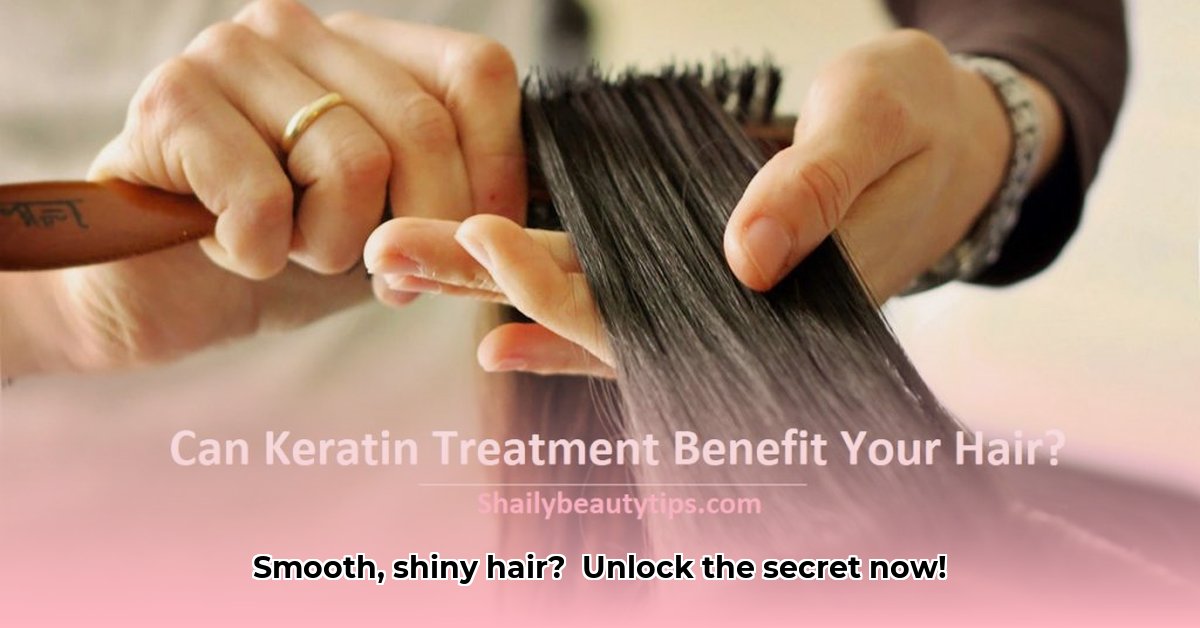
Want gorgeous, sleek hair without the fuss? Keratin treatments promise just that, but are they worth the hype? This comprehensive review analyzes keratin treatments, weighing their efficacy, safety, and cost-effectiveness to help you decide if this popular hair treatment is right for you. We'll explore salon treatments and at-home kits, offering practical advice to maximize benefits and minimize risks.
Understanding Keratin Treatments: The Science of Smooth Hair
Keratin, a protein forming the building blocks of your hair, is the key to this treatment. Keratin treatments add extra keratin to your hair, filling in gaps and smoothing the hair cuticle (the outermost layer). This smoothing action reduces frizz, enhances shine, and improves manageability. Think of it as a powerful deep conditioner for visibly healthier-looking hair.
The Allure of Smooth, Shiny Hair: Weighing the Pros and Cons
The main draw of keratin treatments is undoubtedly the dramatic improvement in hair appearance. However, a balanced perspective is essential before proceeding.
Pros:
- Reduced Frizz and Increased Shine: Keratin treatments significantly minimize frizz and flyaways, especially beneficial for curly or wavy hair prone to humidity. The resulting shine gives hair a healthy, vibrant glow.
- Easier Styling: Smoother, straighter hair requires less styling time and reduces the need for heat styling tools, minimizing heat damage.
- Long-lasting Results: Effects typically last several weeks or months, depending on hair type and aftercare, requiring fewer touch-ups than other smoothing treatments. But is this long-term effect really worth it?
Cons:
- Potential Chemical Exposure: Some treatments contain formaldehyde or formaldehyde-releasing chemicals, posing health risks if inhaled or absorbed. Formaldehyde-free options exist, but their smoothing effects may be less pronounced.
- Cost: Keratin treatments are generally more expensive than other conditioning treatments, with salon treatments significantly pricier than at-home kits. Does the higher price equate to superior results?
- Maintenance and Aftercare: Maintaining results requires using sulfate-free shampoos and conditioners and avoiding excessive heat styling. This extra effort is essential for extending the treatment's lifespan. Is the effort worthwhile in relation to the benefits?
- Potential for Irritation: Even formaldehyde-free treatments can cause allergic reactions or skin irritation, especially for sensitive individuals. A patch test before a full treatment is highly recommended.
Navigating the Options: Salon vs. At-Home Treatments
Professional salon treatments, while more expensive, generally offer better results due to stylist expertise and controlled environments. However, at-home kits provide a budget-friendly alternative, requiring careful instruction following for even application. The choice depends on your budget and DIY comfort level.
Safety First: Minimizing Risks and Maximizing Benefits
Open communication with your stylist is paramount. Discuss your health history, allergies, and expectations. Inquire about product ingredients (formaldehyde-free options are safer), and always undergo a patch test before a full treatment to check for irritation.
How to Choose Safe Formaldehyde-Free Keratin Treatments
Formaldehyde-free treatments offer a safer alternative. Several formaldehyde-free formulations exist, including glyoxylic acid, carbocysteine, and plant-derived keratin, each with varying efficacy and potential side effects.
Weighing Formaldehyde-Free Options
| Treatment Type | Pros | Cons |
|---|---|---|
| Glyoxylic Acid-based | Relatively gentle; good for mild smoothing. | Shorter-lasting results than formaldehyde-based treatments. |
| Carbocysteine-based | Balances gentleness and effectiveness. | May not provide dramatic results for extremely coarse or curly hair. |
| Plant-based Keratin | Gentlest option; eco-friendly; minimal side effects. | May provide the least dramatic straightening results. |
A Step-by-Step Guide to Choosing a Treatment
- Assess hair type and goals: Determine desired results (dramatic straightening or frizz control) to guide treatment selection.
- Research ingredients: Scrutinize ingredient lists for potential irritants, even in formaldehyde-free products.
- Read reviews: Seek user feedback from those with similar hair types.
- Consider application: Professional application generally yields superior results, though at-home kits offer cost savings.
- Set a budget: Professional treatments are more expensive.
- Consult a stylist: A professional can guide you to the best treatment for your needs.
Long-Term Effects and Responsible Hair Care
While generally safe when applied correctly, long-term effects of repeated treatments are still under research. Moderation is key. Over-treating can weaken hair. Consult your stylist for appropriate treatment frequency.
Maintaining Your Gorgeous Hair: Post-Treatment Care
Post-treatment care significantly impacts results. Using sulfate-free shampoos and conditioners, and avoiding excessive heat styling, are crucial for maintaining smoothness and shine. Always follow your stylist's instructions.
The Verdict: Is a Keratin Treatment Right for You?
The decision to get a keratin treatment is personal. Weigh benefits against risks and costs, considering your hair type, budget, and health concerns. A consultation with a qualified stylist ensures a safe and effective experience. Remember, healthy hair care is a long-term commitment.